
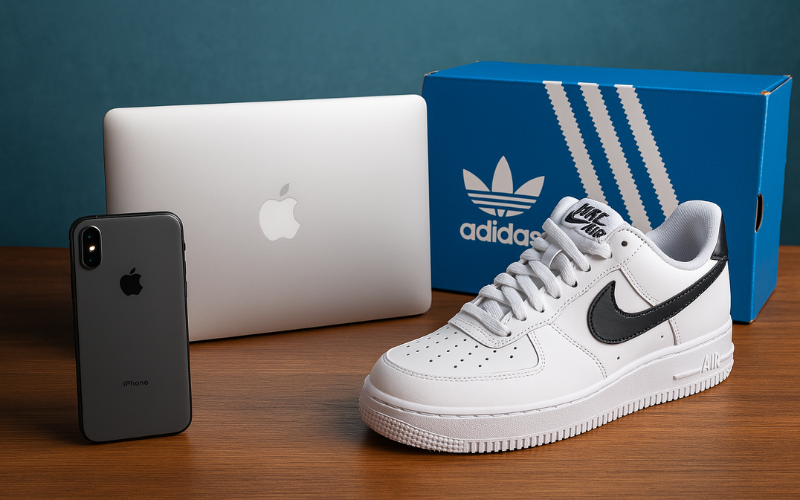
If you've ever thought about importing products from famous brands like Apple, Nike or Adidas, you've probably realized that this dream comes with a series of bureaucratic and legal requirements. After all, bringing items from renowned brands to resell in Brazil goes far beyond a simple international purchase.
In this article, we will clarify the main doubts on the subject, explain why you need specific licenses, what the risks are of not having them and how to prepare to work legally with famous brands.
Why Do You Need a License?
Contrary to what many people think, importing products from well-known brands is not just a commercial issue, but also a legal and strategic issue. Licenses and authorizations exist for two important reasons:
-
Intellectual property protection: Recognized brands have international registrations that protect their intellectual property, ensuring that only authorized distributors can legally market their products.
-
Distribution and quality control: Big brands strictly monitor the quality and distribution of their products. This ensures that the consumer always has the best experience and prevents the brand value from being damaged.
What is Required to Obtain a License?
Becoming an authorized importer requires you to meet a series of specific requirements imposed by the brands themselves. Typically, the requirements include:
-
Sales goals: You need to prove that you can meet minimum purchase volumes and annual revenue.
-
Adequate infrastructure: Having a physical store, a professional e-commerce or a specialized technical service may be mandatory.
-
Specific contracts: Many brands require exclusivity or defined territory contracts to control distribution.
-
Marketing Standards: Typically, you will have to follow strict rules for displaying the brand's official products and promotional campaigns.
What Are the Risks of Importing Without a License?
Bringing in famous brand products without authorization can lead to severe legal consequences:
-
Risk of seizure: Your cargo may be retained by the Federal Revenue Service, even if the products are original, due to lack of correct documentation.
-
Fines and lawsuits: You may face legal action from the companies that own the trademark, resulting in large fines and serious legal issues.
-
Classification as piracy: Importing without a license is considered a form of counterfeiting, even with legitimate products, as there is no formal authorization for resale.
Practical Examples: Apple, Nike and Adidas
To better understand, see how it works with three major global brands:
-
Apple: Requires authorized reseller infrastructure and specialized technical services, as well as specific business goals.
-
Nike: It requires direct contracts or through authorized distributors, with high goals and strict standards for exposure and sales.
-
Adidas: It works mainly with franchise or authorized distribution contracts, with clear rules for exposure and marketing.
How to Prepare to Import Renowned Brands?
Before trying to import famous brands, follow these practical guidelines:
-
Assess your financial and operational capacity before committing to big brands.
-
Search if there are official representatives or distributors already established in Brazil.
-
Consider starting with mid-tier brands, which offer more affordable contract terms and fewer upfront requirements.
-
Invest in professional infrastructure to show brands that your business is solid and reliable.
Conclusion
Importing products from well-known brands can be an excellent business, as long as all legal licenses and authorizations are respected. By acting correctly, you avoid risks such as seizure of goods, heavy fines and lawsuits. Therefore, before starting, carefully evaluate your financial, logistical and commercial capabilities. Being well prepared and acting within the law not only protects your investment, but also ensures the sustainable growth and credibility of your company in the market.
Do you need specialized support to import safely and strategically?
Peculiare can help you! Our team is ready to guide you through every step of the process.