
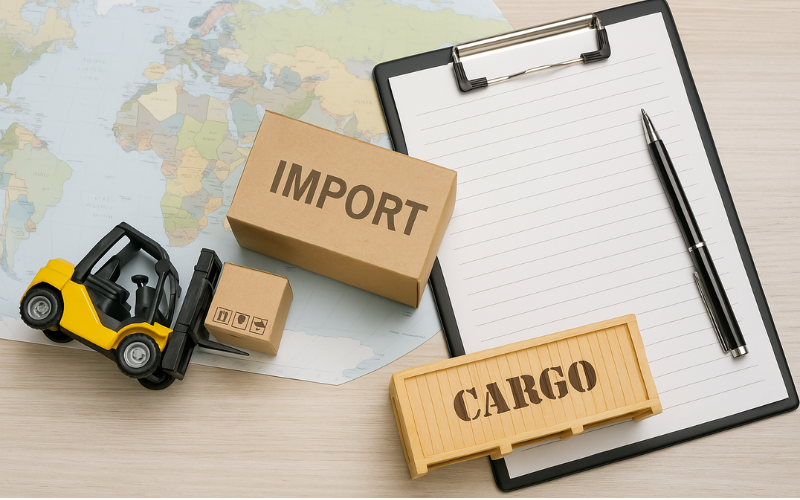
Importing is much more than just choosing a cool product and bringing it from abroad. It’s a detailed process that involves several steps, from the correct selection of items to the moment your customer receives the final product. Following a structured flow helps ensure that your import is not only successful, but also profitable and sustainable.
In this article, we will guide you through the entire import workflow, step by step.
1. Smart Product Choice
To get started without any headaches, choose up to 5 products. This simplifies management and allows you to quickly validate each step. Consider your niche, the current demand in Brazil and your affinity with the product. The more you understand about it, the better your communication with suppliers and customers will be.
2. Find Trustworthy Suppliers
Now that you know what to import, look for at least three different suppliers for each product. Carefully evaluate the quality, prices, delivery times and commercial conditions. The more complete this survey, the better your future negotiations will be.
3. Transparent Negotiation
Negotiating with factories requires complete clarity. Use Incoterms (international terms) to clearly define who will be responsible for costs such as shipping and insurance, delivery times and possible additional expenses. Negotiating all of this objectively avoids unpleasant surprises later on.
4. Calculate All Costs
Before you make a decision, calculate all the costs involved. Include the price of the product, international shipping, taxes, customs fees, and additional logistics costs. Having these costs in mind will ensure you have an adequate profit margin and prepare you for possible currency fluctuations.
5. Regularize Your Company
To import legally, your company must be registered with RADAR (Siscomex), the official system for imports in Brazil. It is also important to check whether your products require specific licenses such as ANVISA, INMETRO or MAPA. Doing everything within the rules avoids fines and delays.
6. Safe and Efficient Payment
Choose your international payment method carefully. A Letter of Credit is safe for both parties, while an International Bank Remittance is fast but requires trust in the supplier. Also, organize your cash flow well, considering delays and exchange rate variations.
7. Closely Monitored Production
Once payment has been confirmed, production begins. Keep in regular contact with your supplier, monitoring deadlines and making necessary adjustments. This ensures that the product delivered will be exactly what you ordered.
8. Quality Inspection
Before shipping to Brazil, carry out a detailed inspection. You can visit the factory in person or hire a specialized company. This step avoids future headaches with defective products or products that do not meet your expectations.
9. Shipment of Goods
Once everything is ready, decide on the transportation method. Sea transport is economical but slower. Air transport is faster but more expensive. For imports from Mercosur countries, consider road or rail transport. Organize the necessary documents and don't forget cargo insurance.
10. Nationalization Process
When the cargo arrives in Brazil, it goes through nationalization, which includes the payment of taxes and release by the Federal Revenue Service. This process may vary depending on the merchandise and the documentation presented. Organization is essential to avoid delays.
11. Receipt and Verification
After release, the products are delivered to your warehouse or point of sale. Carefully check the quantity and quality of the items received, recording everything correctly in the inventory. This avoids problems when selling directly to the end consumer.
12. Sales Strategy
Finally, it’s time to sell! Clearly define your sales strategy, including online and physical channels, appropriate pricing, and efficient marketing. Remember: good service builds customer loyalty and boosts your future sales.
13. Buyback Evaluation and Planning
After the first round of sales, analyze how your products were received by the market. Adjust what is necessary, improve your strategy and plan future imports with confidence. Repurchasing is what sustains and drives the continued growth of your business.
Following these steps will ensure that your first import experience is smooth and profitable. Want to continue learning and expand your operations even further? Keep following our blog and explore more exclusive content about importing!